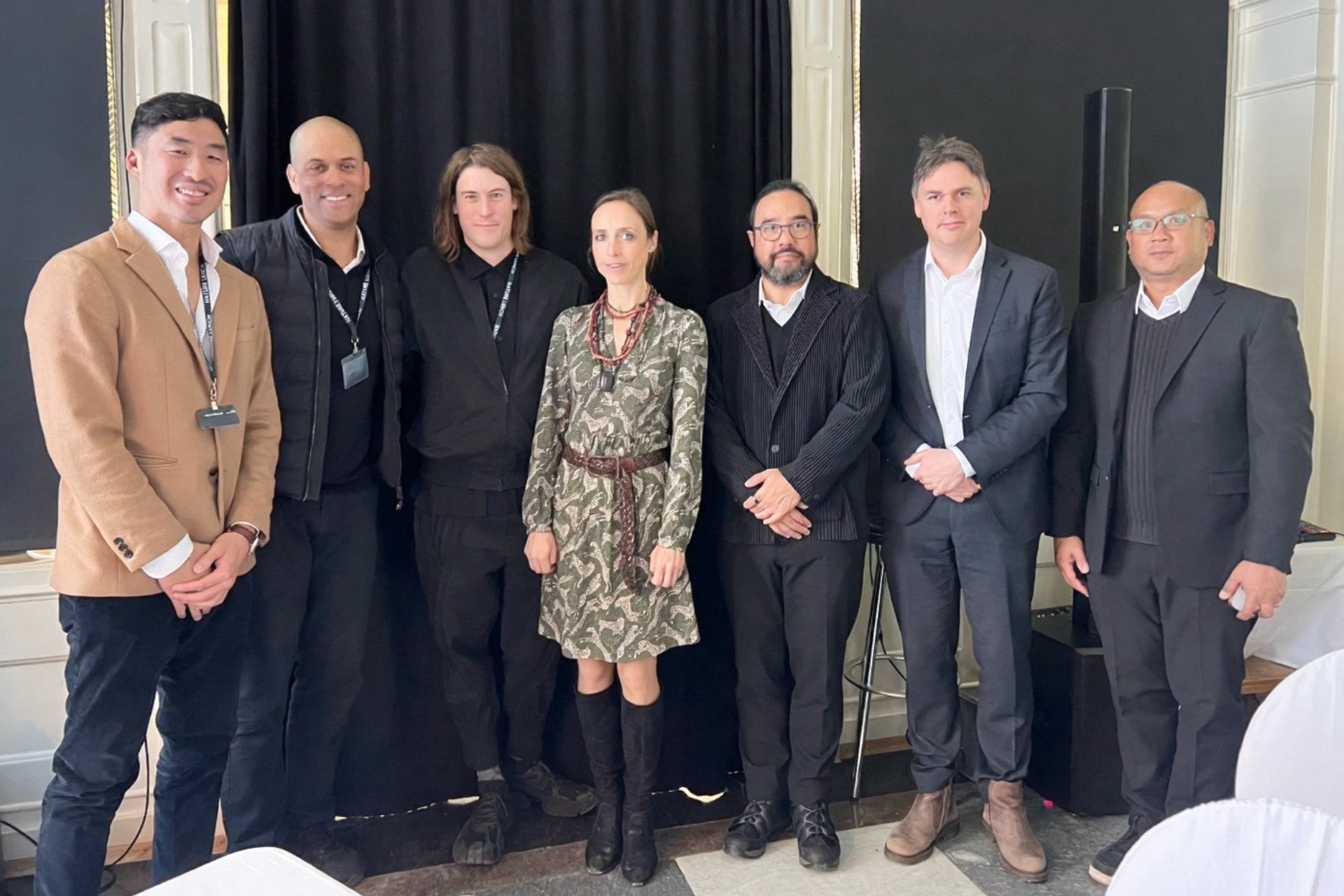
M.L. Dispanadda Diskul Participates in Nature Lunch at Davos 2026, Highlighting Nature as the Foundation of a Sustainable Economy on the Global Stage
On 22 January 2026, M.L. Dispanadda Diskul, Secretary General and Chief Executive Officer of the Mae Fah Luang Foundation under Royal Patronage, was invited to participate in Nature Lunch at Davos 2026: Where Nature Meets Leadership, held at Hotel Schatzalp in Davos, Switzerland. The event was organized alongside the World Economic Forum (WEF) Annual Meeting 2026 as a platform for dialogue among global thought leaders from diverse sectors.
Nature Lunch is an exclusive high-level forum that brings together key decision-makers from business, finance, investment, science, and civil society to accelerate the transition toward nature-positive business, finance, and policy outcomes. In 2026, the event was co-hosted by the European Biodiversity Coalition, Innovate 4 Nature, Biodiversity Bridge, and Nature Wealth Foundation—international networks and organizations working to connect biodiversity with policy, finance, and innovation.
The forum welcomed more than 120 participants from leading global organizations, including Deutsche Bank, KPMG, PwC, Standard Chartered, IKEA, Holcim, Good Carbon, and Act for Nature, to exchange strategic perspectives and foster practical collaboration. Discussions took place against the backdrop of a critical reality: approximately 55 percent of global GDP depends on nature, while ecosystems worldwide are degrading at an unprecedented pace.
Key highlights of the event included a panel discussion titled “The Nature Imperative – What Business Must Do Now,” featuring Johan Rockström, the scientist behind the Planetary Boundaries framework, which defines the ecological limits humanity must not exceed. The program also featured the Innovate 4 Nature Award ceremony and high-level networking sessions aimed at advancing nature-positive solutions with the potential to create up to 395 million jobs and generate more than USD 10 trillion in economic value by 2030, while repositioning nature from an “invisible cost” to a “core asset of the global economy”.
On this occasion, M.L. Dispanadda Diskul shared the Mae Fah Luang Foundation’s nearly four decades of experience in nature-based development, demonstrating how nature can serve as a foundation for sustainable livelihoods and economic resilience. From the Doi Tung Development Project, which integrates human development with ecosystem restoration, to the continuous development of biodiversity baseline data, and the implementation of the Carbon Credit from Community Forests for Sustainability Project, the Foundation’s work has expanded from Doi Tung to 12 provinces nationwide, improving the quality of life for more than 160,000 people.
This integrated approach drew interest from participants as a practical case study in linking nature conservation, economic development, and community well-being. Among the esteemed participants who joined was Princess Dr. Auguste of Bavaria, a zoologist and behavioral scientist who plays a significant role in advancing global biodiversity conservation efforts.