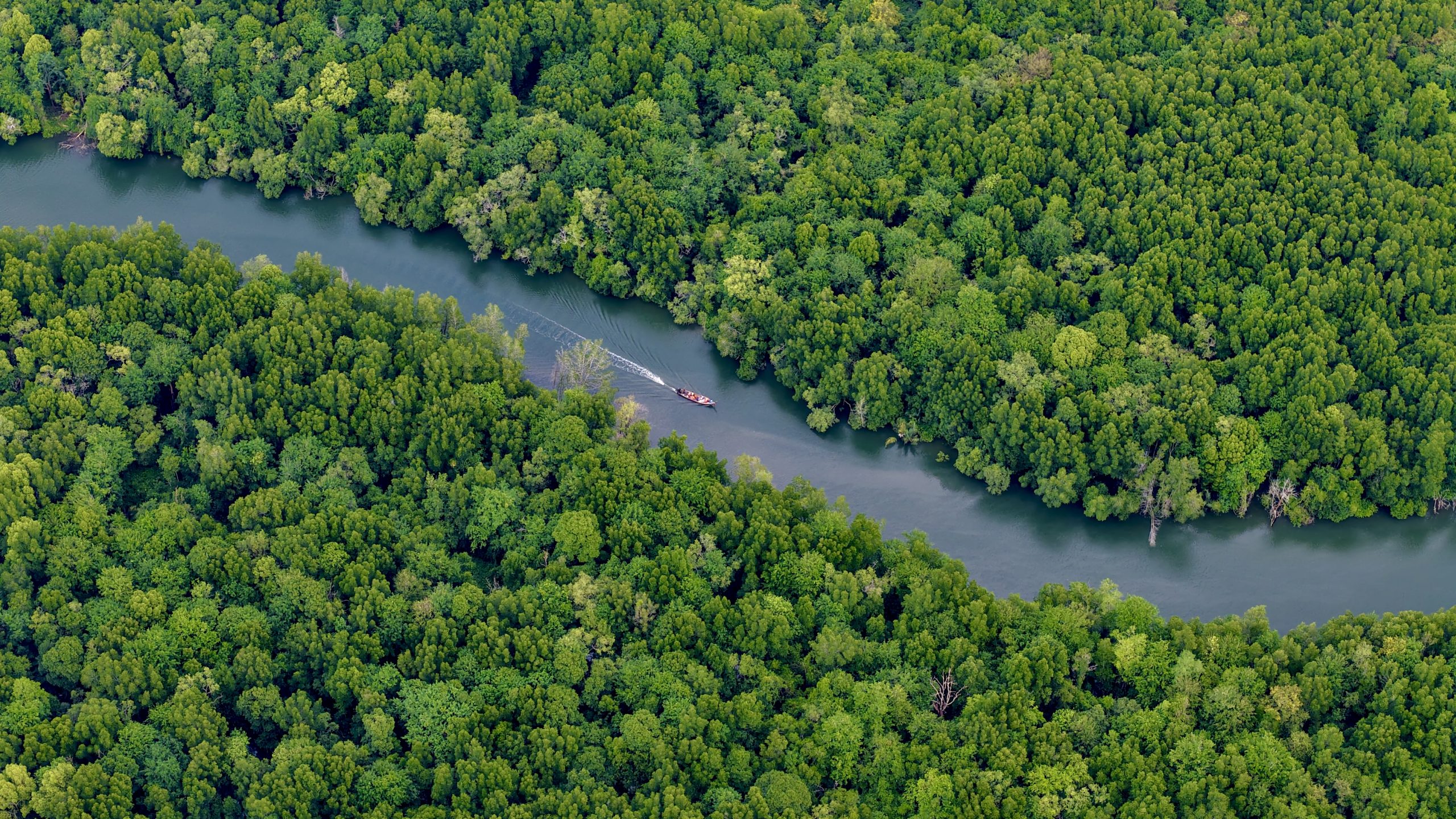
To mark the International Day for Biological Diversity, observed globally on May 22, the Mae Fah Luang Foundation under Royal Patronage (MFLF) has reaffirmed its role as a model organisation for sustainable development built around people and nature.
The global theme for 2026, “Acting locally for global impact”, underscores the importance of turning action on the ground into broader results. The theme aligns with the Foundation’s approach of elevating conservation and community development into the creation of “natural capital” capable of generating tangible economic value, opportunities and sustainable development.
This work brings together scientific knowledge, private-sector collaboration and biodiversity policy at both national and international levels.
Smitthi Harueanphuech, Chief Nature Based Solutions Officer at the Mae Fah Luang Foundation, said biodiversity was not merely an environmental issue but a fundamental pillar of the economy, business and people’s quality of life.
Amid the growing global nature crisis, the Foundation is building on almost four decades of field experience, particularly its “Planting Forests, Cultivating People” approach, to advance biodiversity through three principal strategies.
The first is the application of Nature-based Solutions (NbS). The second is participation in national and international biodiversity initiatives, while the third involves extending the Foundation’s knowledge and expertise to businesses through advisory services.
Nature-based solutions rooted in 38 years of experience
The first strategy builds on the achievements of the “Planting Forests, Cultivating People” approach implemented through the Doi Tung Development Project, an area for royal development in Chiang Rai, over the past 38 years.
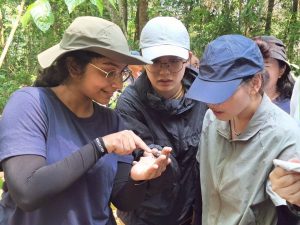
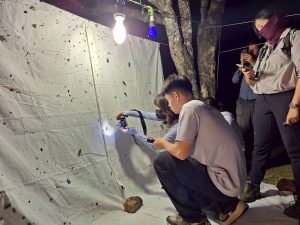
Covering 91,779 rai, the project is home to a nationally significant biodiversity database. Surveys have recorded 1,459 plant species, including 12 species newly discovered by science, such as Nakharinthara, Thian Doi Tung and Muang Payap.
A total of 1,177 wildlife species have also been documented, including eight endangered species such as the serow and the big-headed turtle.
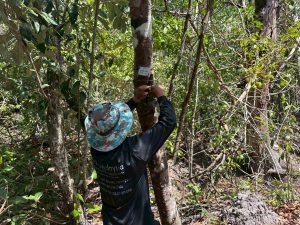
These findings demonstrate that the Foundation’s approach of caring for people and nature together can restore ecosystem abundance, benefit all forms of life — particularly local communities — and enable people to coexist sustainably with forests.
The escalating impacts of climate change are also beginning to affect development efforts, including community agriculture and productivity, ecosystems and exposure to natural disasters.
The Foundation has therefore begun studying and advancing the management of nature-related risks to prepare communities and ecosystems for long-term impacts.
Advancing biodiversity at national and international levels
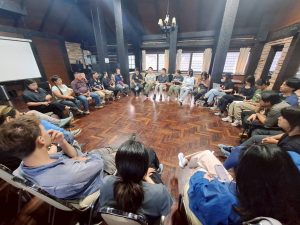
Thanit Kongkaew, Director of Sustainability at the Mae Fah Luang Foundation, said the Foundation was committed to supporting Thailand’s National Biodiversity Strategy and Action Plan (NBSAP).
This work is being pursued through partnerships and memoranda of understanding with the Office of Natural Resources and Environmental Policy and Planning (ONEP), the Biodiversity-Based Economy Development Office (Public Organization), or BEDO, and the National University of Singapore (NUS).
The collaborations are intended to help the Foundation’s development projects serve as models for the sustainable conservation and restoration of biodiversity.
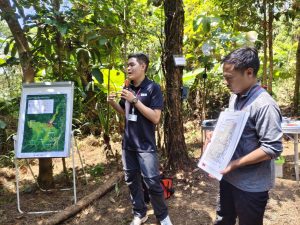
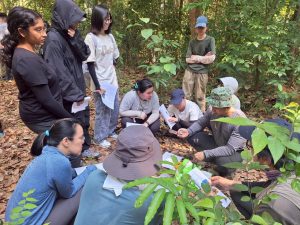
The Foundation is also working towards having Doi Tung recognised as an Other Effective Area-based Conservation Measure, or OECM.
The initiative supports the global 30×30 target, which calls for the effective conservation and management of at least 30% of the world’s terrestrial, inland water, coastal and marine areas by 2030.
At the same time, the Foundation and BEDO are studying a biodiversity-credit mechanism based on the Terrasos standard developed in Colombia.
The Foundation is also preparing to present its community-based working model at the 17th meeting of the Conference of the Parties to the Convention on Biological Diversity, or CBD COP17, to be held in Yerevan, Armenia, from Oct 19–30, 2026.
The presentation will highlight Thailand’s potential to serve as a regional model for community-centred biodiversity conservation.
Expanding biodiversity studies across Thailand
Beyond the Doi Tung Development Project in Chiang Rai, the Foundation is extending its biodiversity research to other areas across Thailand.
One initiative involves developing a biodiversity database and conducting an economic valuation of 10,832 rai of targeted mangrove forests in Trang province.
The two-year project, running from December 2025 to November 2027, brings together organisations with expertise in mangrove ecosystems. They include the Mae Fah Luang Foundation, the Department of Marine and Coastal Resources, Chulalongkorn University, Rajamangala University of Technology Srivijaya, the Office of the Royal Development Projects Board and PTT Exploration and Production Public Company Limited.
The Foundation is also conducting feasibility studies on registering 11 community forests participating in the Carbon Credit Management in Forests for Sustainable Development Project as OECMs.
The work is supported by 1.5 million baht in funding from the High Ambition Coalition for Nature and People. It is expected to strengthen the role of local communities in the long-term conservation of natural resources and biodiversity.
Extending biodiversity expertise to business
The third strategy focuses on scaling up the Foundation’s experience and transferring its knowledge to the private sector through advisory services.
The Foundation has developed a Biodiversity Advisory Service for businesses seeking to restore ecosystems in areas where they operate.
Examples include a rewilding project in Chon Buri and the development of water-management systems in Chiang Dao. These initiatives place an emphasis on measurable and tangible environmental outcomes.
The Mae Fah Luang Foundation believes that combining scientific knowledge with the local wisdom accumulated through 38 years of field experience offers an important pathway for both the economy and the planet.
Its work today is therefore not simply about demonstrating past achievements. It is about building future ecosystems in which people, forests and businesses can grow together in a balanced and sustainable manner.