Basic Information

  • Time Frame

    2002 – 2004

  • Location

    Yong Kha Village, Shan State

    Area: Approximately 14 villages

  • Beneficiaries

    6,022 people

Overview

With the need to address drug-related issues and contagious diseases, it was necessary to build a strong public health system as a basic priority for the community.

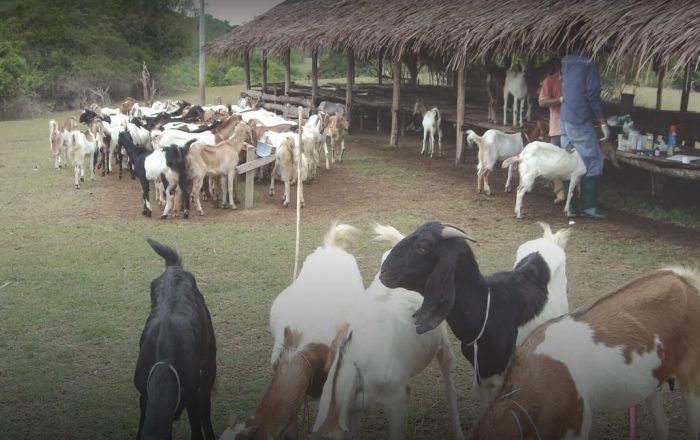
Yong Kha Village in Shan State suffered from drug-related issues and contagious diseases such as malaria, tuberculosis and scabies. MFLF therefore launched a long-term public health development plan with emphasis on water and agriculture to provide food security before addressing income-generating activities in the community. Hospitals and schools were built, and local volunteers received training on public health, while school children were taught farming skills.

What do the people get?

  • Malaria infections dropped from

    20%

    to less than

    2%

    within 3 years, while malaria fatalities dropped to zero within 1 year
  • 3,000 villagers helped dig an irrigation canal with a budget of

    225,000 baht

    (US$7,242),
    increasing arable land by

    2,000 rai

    (1,159 hectares).
    Villagers were able to grow sustenance and cash crops three times a year, with enough food to eat all year round.
  • The total investment in the project was

    25,600,000 baht

    (US$823,946),
    or 4,240 baht (US$136) per person per year.

    Within 3 years, the project generated economic benefits for the community in cash and in kind equivalent to

    28,182,960 baht

    (US$907,080),
    or 4,680 baht (US$151) per person per year.